Joy-Anna Duggar Opens Up About Heartbreaking Stillbirth and Her Journey Through Grief, Healing, and Hope
Joy-Anna Duggar, beloved star of 19 Kids and Counting and its spin-off Counting On, has opened up with raw honesty about one of the most painful experiences of her life—the stillbirth of her daughter, Annabelle Elise. In a deeply emotional and candid reflection, Joy-Anna recently shared the mental and emotional toll the tragedy took on her, revealing that she spent the six months following the loss in what she described as a “fog.” Her vulnerability has sparked a broader and much-needed conversation around grief, healing, and the silent pain so many women endure after miscarriage and pregnancy loss.
The tragedy unfolded in 2019 when Joy-Anna and her husband, Austin Forsyth, received devastating news during a routine 20-week ultrasound: their baby girl’s heartbeat had stopped. The couple, who had already announced the pregnancy to fans and family, were left heartbroken. In the days that followed, they named their daughter Annabelle Elise and made the courageous decision to share their grief publicly, honoring her short but meaningful life.
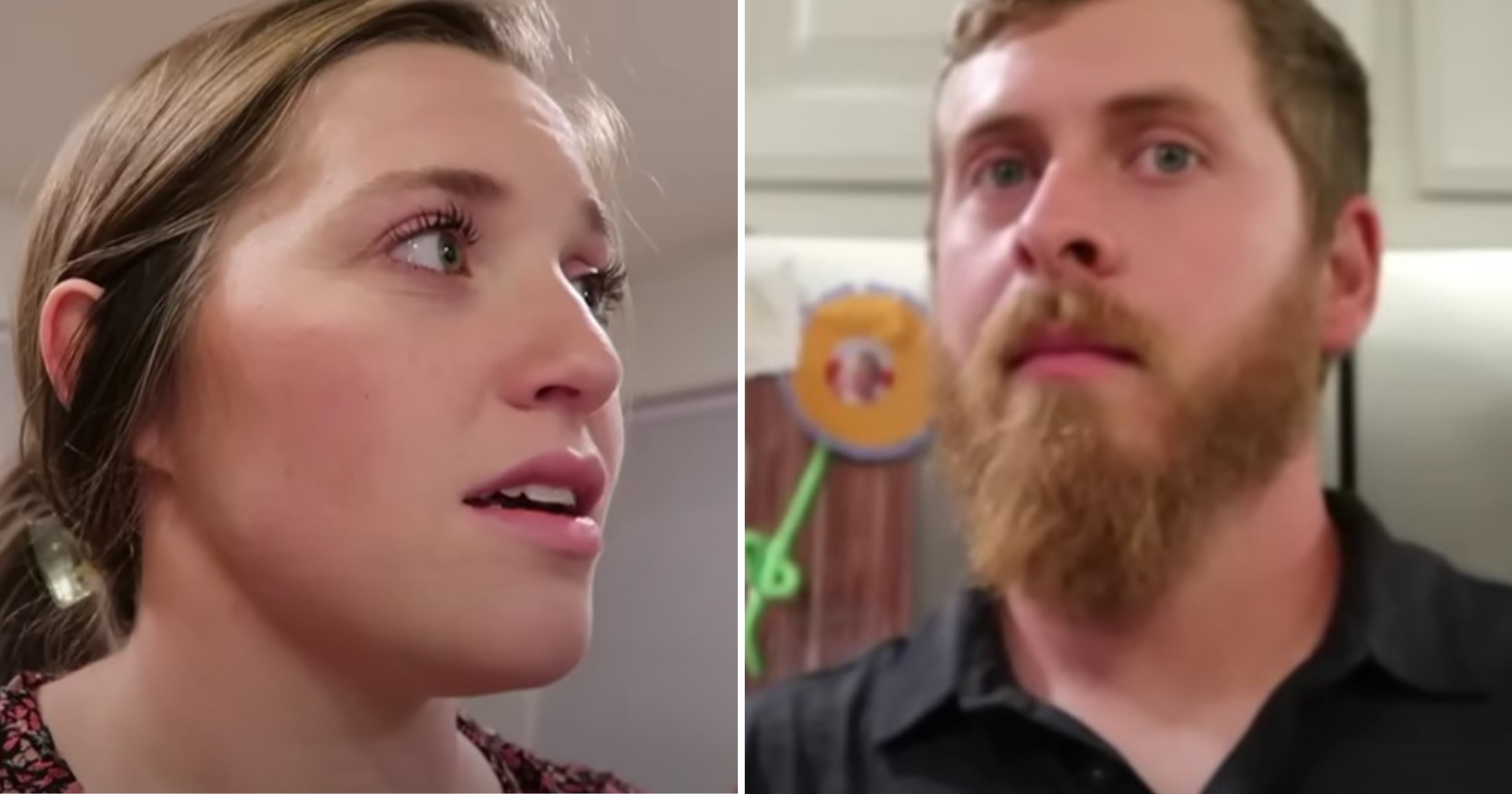




Now, years later, Joy-Anna is shedding more light on the emotional aftermath. She spoke about the overwhelming pain, the isolation, and the complicated emotions that lingered long after the immediate shock wore off. Joy described the months following the stillbirth as a haze where even the simplest tasks felt exhausting. Despite having a strong support system—her husband, extended family, and church community—she often felt alone in her grief. Well-meaning words sometimes deepened the pain, with phrases like “At least you know you can get pregnant” or “You can try again soon” dismissing the depth of her loss.
Joy-Anna bravely discussed how everyday experiences, like seeing pregnant women or babies, could trigger waves of anxiety and sadness. Attending family gatherings became emotionally draining—not out of resentment, but because she needed to protect her mental well-being. Austin, too, carried the weight of the loss in his own way. Their grieving looked different, but they shared a deep understanding, allowing one another space to cry, be silent, and simply be. Their shared sorrow brought them closer, not through the pain itself, but in how they confronted it—shoulder to shoulder, day by day.

One of the most profound parts of their healing journey was naming their daughter and giving her a place in their family’s story. They held a memorial, planted a tree in her honor, and even wrote letters to her—small but meaningful gestures that helped them process the grief. Joy-Anna has been open about seeking therapy in the wake of the stillbirth. She credits professional counseling for helping her navigate emotions she couldn’t fully articulate and says it played a crucial role in her healing, especially in a community where mental health support is often stigmatized.
Balancing grief while caring for her son Gideon was another emotional challenge. She wanted to be present for him, but at times, the weight of sorrow made even that feel impossible. In 2020, the birth of her daughter Evelyn May brought new hope, though it came with its own emotional complexities. Joy-Anna admitted she felt constant anxiety throughout her pregnancy with Evelyn, always on alert for signs that something might go wrong. The trauma of losing Annabelle had permanently reshaped her view of motherhood.
Yet, Joy-Anna emphasizes that healing isn’t linear. Milestones like Annabelle’s due date or the anniversary of her passing still bring painful memories. But she doesn’t try to erase them—she embraces them with grace and reverence, allowing herself space to grieve when those moments come. Her decision to speak out has empowered countless others who have experienced similar heartbreaks. She has become an advocate for pregnancy and infant loss awareness, using her platform to raise support for families suffering in silence.
By sharing her journey, Joy-Anna has created a space where women can speak openly about their pain without shame. Her story reminds us that grief doesn’t follow a set timeline, and that even in sorrow, there can be healing. “Healing,” she says, “doesn’t mean forgetting. It means learning how to live with the love and the loss, side by side.” Through her courage, honesty, and compassion, Joy-Anna Duggar has shown that even in the darkest valleys, it’s possible to find hope—and to honor what was lost while continuing forward with love.